DISCOVER
Pazo de Fefiñáns
Plaza de Fefiñáns, s/n
36630 Cambados Pontevedra
Spain
Teléfono
Weather information is temporarily unavailable.
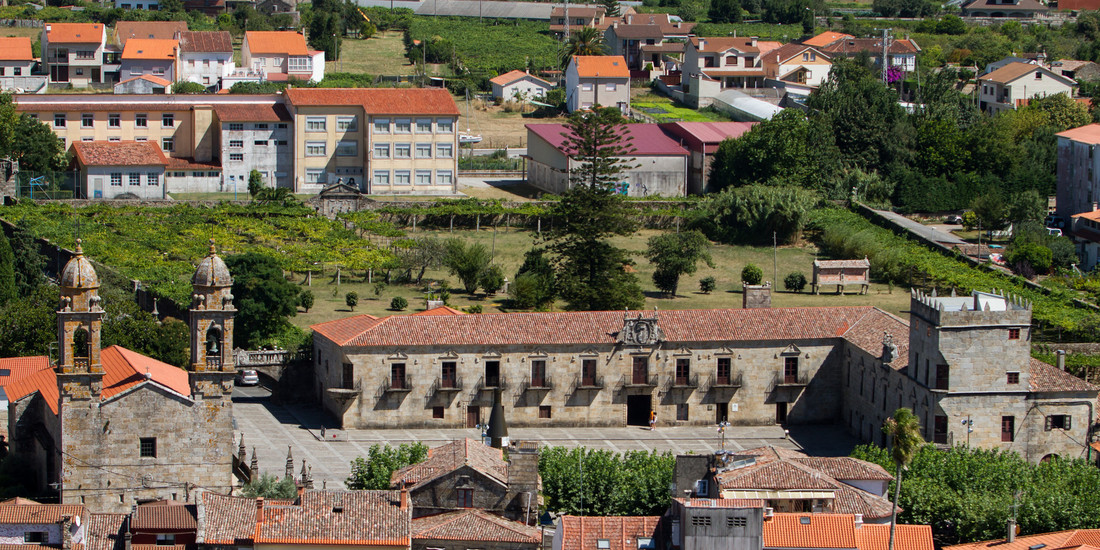
Pazo de Fefiñáns was built in the 16th century by Juan Sarmiento Valladares, adviser to King Philip II of Spain. It was built in the Renaissance-style, although Gonzalo Sarmiento de Valladares, Viscount of Fefiñáns, ordered some extensions in the 17th century. Afterwards it became the property of the Marquises of Figueroa, whose descendants still have ownership of the place.
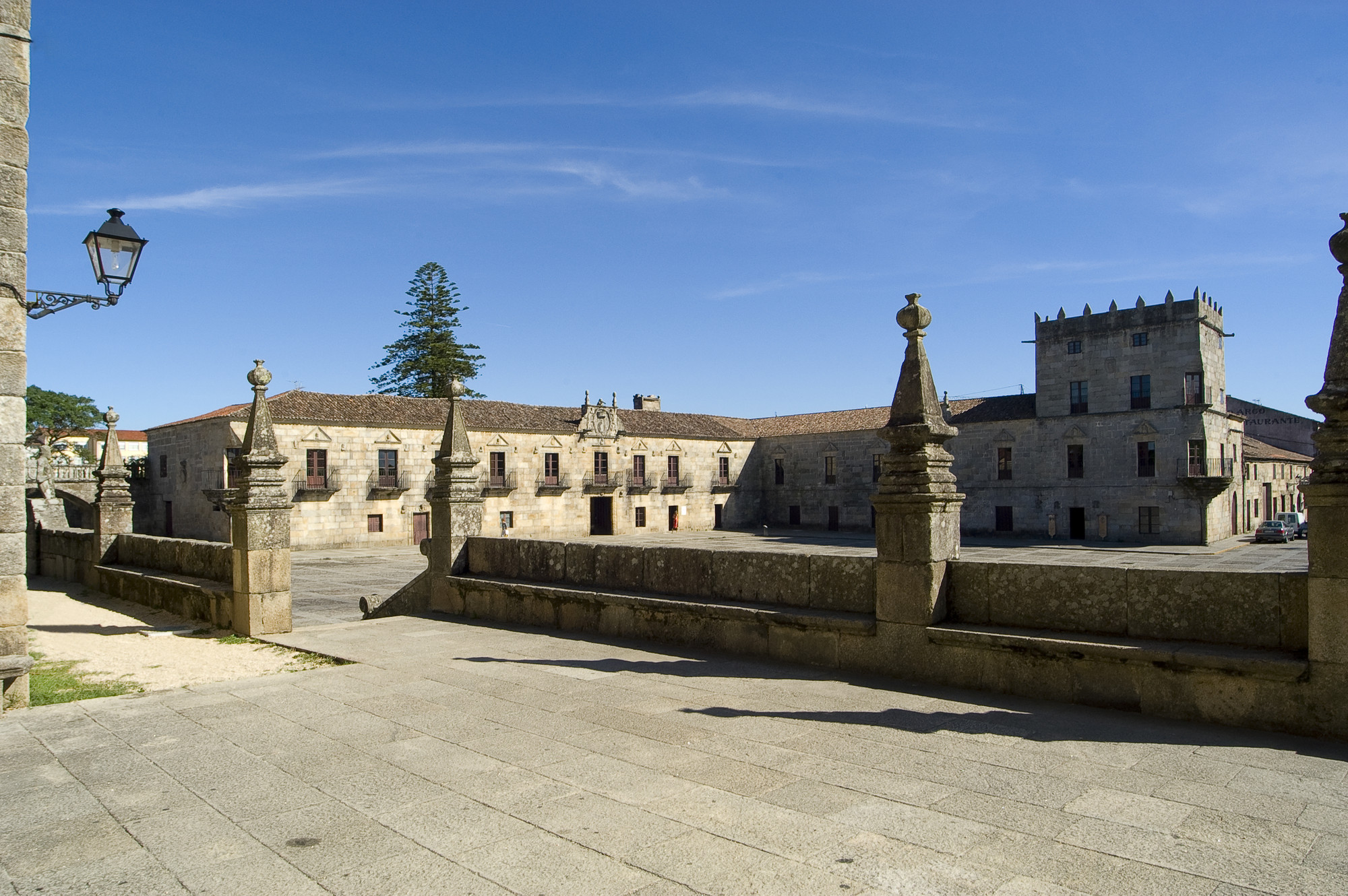
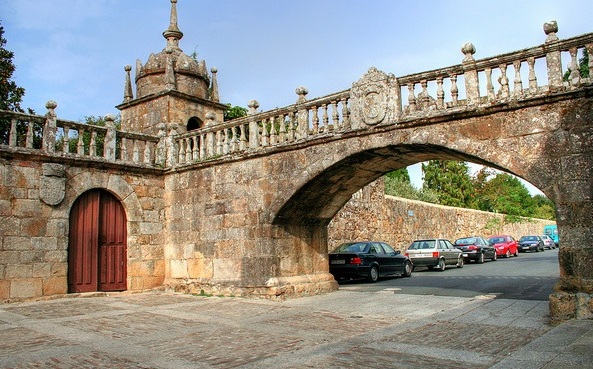
The house has an L-shaped plan, and in its shortest leg there is a crenellated watchtower. There are circular balconies in the outer corners of the building and Renaissance-style decorations above the windows. In the east corner of the outer wall stands an independent tower called ‘Torre del Homenaje’ (Homage Tower), with a unique inscription in its façade containing the values of the Fefiñáns family. In the north part of the house there is a Baroque-style arch-bridge which was formerly accompanied by three others.
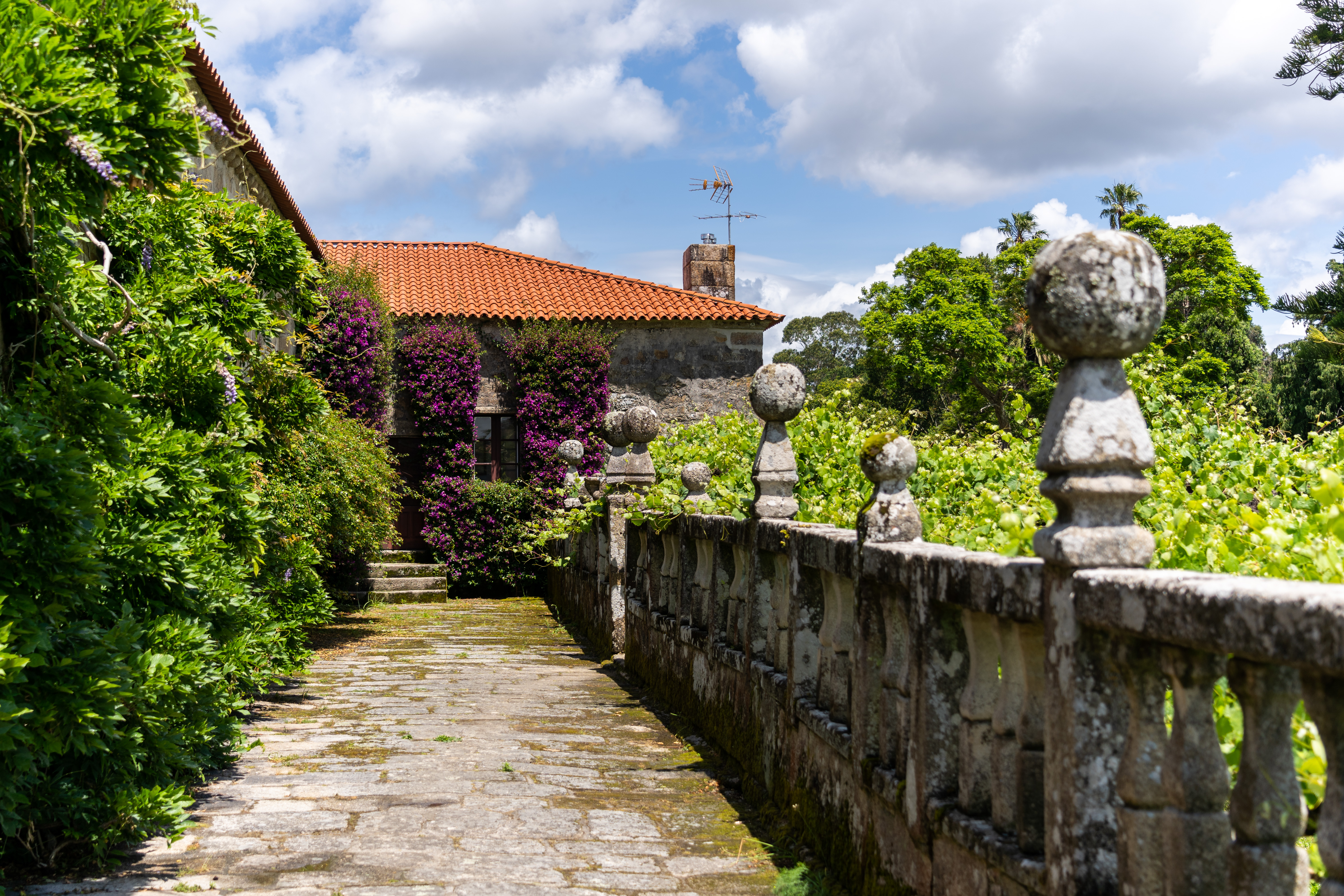
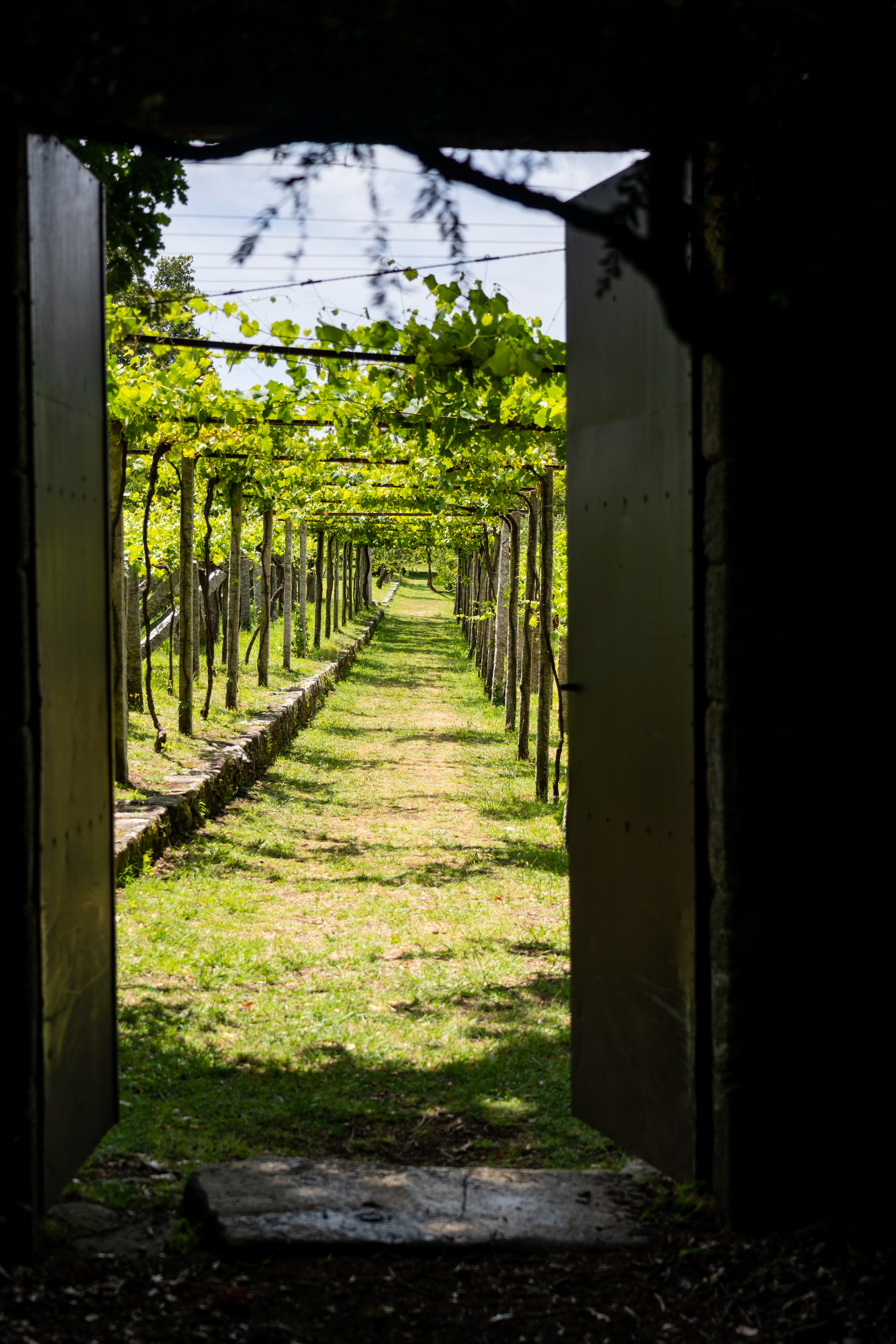
Presently, Pazo de Fefiñáns houses Albariño wine cellars of the Rías Baixas Denominations of Origin ‘Bodega Joaquín Gil Armada’ and ‘Bodega Palacio de Fefiñanes’.
Nearest city:
Vilagarcía de Arousa
Know more about


Cambados
Rate this resource
- Image
- Image
- Image
- Image
- Image


Figures of protection
Bien de Interés Cultural (BIC)
Language
Gallego
Spanish
English
Guided tours
Gallego
Spanish
English
French
Timetable
Horario
Sunday: Closed
Monday: 10:00-14:00, 16:00-20:00
Tuesday: 10:00-14:00, 16:00-20:00
Wednesday: 10:00-14:00, 16:00-20:00
Thursday: 10:00-14:00, 16:00-20:00
Friday: 10:00-14:00, 16:00-20:00
Saturday: 10:00-14:00, 16:00-20:00
Payable
Yes
Architectural style
Renaissance
Landscape interest of the surroundings
Elevated
Description of the environment
Urban
Chronology
S. XVI
Property
Private
State of conservation
Excellent